

THE SEAT OF
KNOWLEDGE
THE HEART OF
TRANSFORMATION
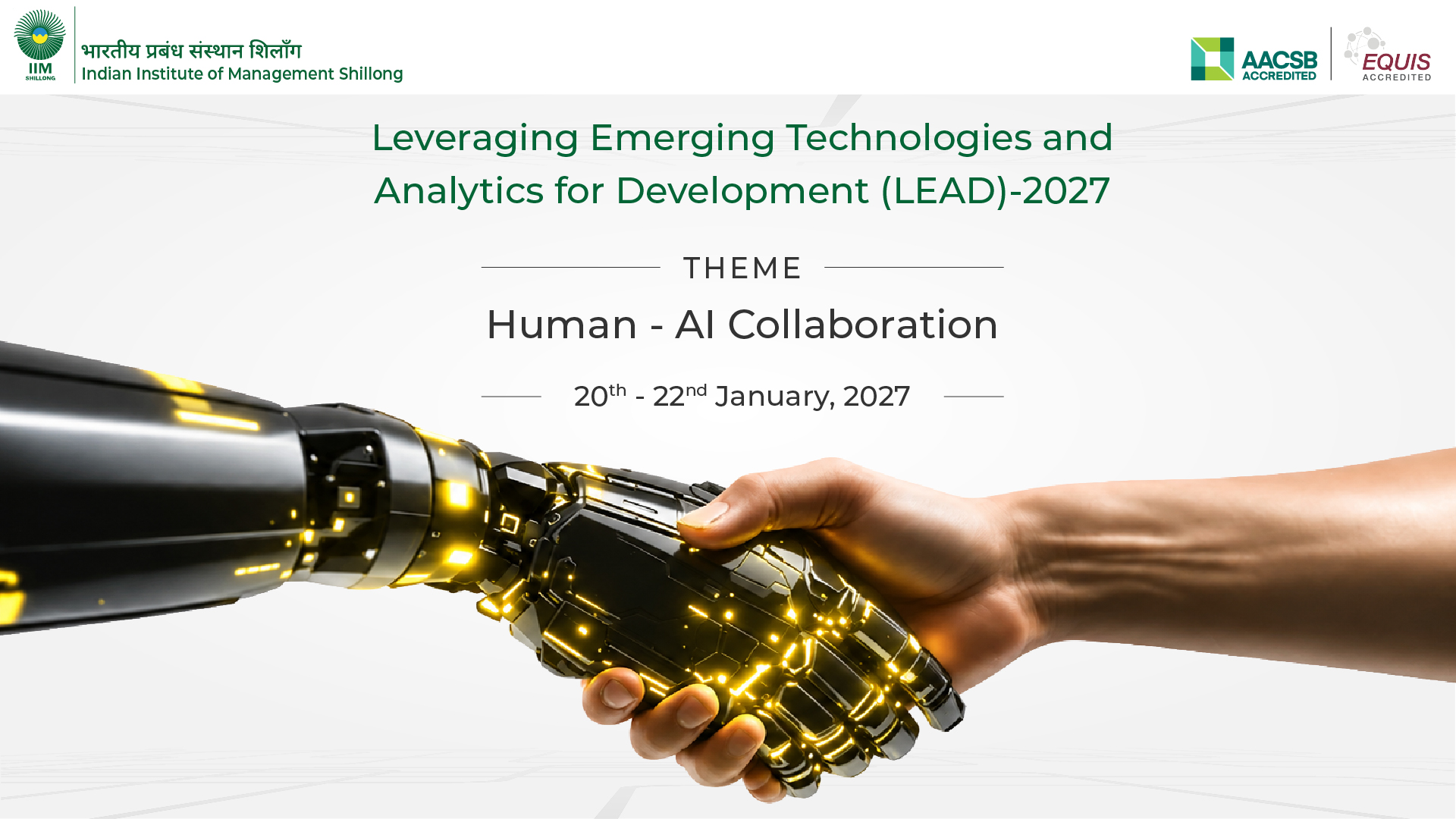
Theme: Human-AI Collaboration
(20th – 22nd January, 2027 )
The Leveraging Emerging Technologies and Analytics for Development (LEAD)-2027 is a premier international conference bringing together scholars, industry leaders, policymakers, and innovators to explore the transformative power of technology and analytics. This year’s theme, “Human-AI Collaboration,” highlights the role of emerging technologies, artificial intelligence, data-driven decision-making, and digital transformation in enhancing human capabilities, fostering inclusive growth, and driving sustainable development. As businesses and societies navigate rapid technological changes, this conference aims to spark insightful discussions on harnessing these advancements for economic progress, social empowerment, and ethical innovation.
LEAD-2027 will feature keynote speeches, panel discussions, hands-on workshops, and paper presentations by leading experts from academia and industry. The conference will delve into critical topics such as AI-driven workforce augmentation, the ethical implications of automation, the intersection of human cognition and machine intelligence, and the use of analytics in public policy and business strategy. Special sessions will address the role of digital ecosystems in enhancing education, healthcare, financial inclusion, and governance. The event will provide actionable insights into leveraging technology to maximise human creativity, productivity, and well-being by fostering cross-disciplinary dialogues and real-world case studies.
Participants can engage in networking sessions, collaborative research discussions, and industry-led innovation showcases, ensuring meaningful ideas and best practices exchanges. The scenic setting of IIM Shillong, surrounded by the lush landscapes of Meghalaya, offers an inspiring environment for intellectual engagement and interdisciplinary learning. As a platform for thought leadership, LEAD-2027 is set to shape the future of how emerging technologies and data analytics can empower individuals, businesses, and societies to reach their full potential.
Click Here to download
Click Here to download
LEAD-2027 aligns with the United Nations’ Sustainable Development Goals (SDGs) by addressing critical global challenges through technology, data analytics, and innovation. By fostering interdisciplinary discussions, research collaborations, and real-world applications, the conference will contribute significantly to the following SDGs:
SDG 1: No Poverty
LEAD-2027 will explore how financial technology (fintech), AI-driven microfinance, and data-driven policymaking can enhance economic inclusion for marginalized communities. Sessions on poverty alleviation through digital transformation will highlight innovative solutions such as mobile banking for the unbanked, AI-based credit assessment models, and blockchain for transparent social welfare distribution. The conference will facilitate knowledge sharing on how analytics can optimize resource allocation and social impact measurement for poverty reduction initiatives.
SDG 4: Quality Education
By emphasizing AI-driven personalized learning, digital classrooms, and edtech innovations, the conference will showcase how technology can improve educational accessibility and learning outcomes. Key discussions will focus on using adaptive learning platforms, virtual reality (VR) in education, and AI-powered skill development programs to bridge the digital divide. Experts will also discuss strategies for upskilling and reskilling the workforce to prepare them for the future of work in an AI-driven world.
SDG 9: Industry, Innovation, and Infrastructure
The conference will drive discussions on smart infrastructure, AI-powered industrial automation, and digital transformation strategies that foster sustainable economic growth. Case studies on Industry 4.0, IoT-enabled manufacturing, and blockchain applications in supply chain management will highlight how businesses can adopt emerging technologies to enhance efficiency and resilience. Startups and researchers will also be able to showcase innovative solutions that can drive sustainable industrialization.
SDG 16: Peace, Justice, and Strong Institutions
By addressing the role of technology in governance, cybersecurity, and ethical AI, LEAD-2027 will contribute to building transparent, inclusive, and accountable institutions. Sessions on data-driven policymaking, AI for legal decision-making, and blockchain for anti-corruption initiatives will explore how technology can promote justice and trust in public administration. Discussions on AI ethics, misinformation detection, and regulatory frameworks will also emphasize the need for responsible and fair AI governance.
SDG 17: Partnerships for the Goals
LEAD-2027 will be a global platform for collaboration among academia, industry, government, and international organizations. The conference will enable the co-creation of technology-driven solutions for sustainable development by fostering cross-sector dialogues, research partnerships, and industry-academia collaborations. Panel discussions on public-private partnerships (PPPs), AI ethics coalitions, and data-sharing initiatives will highlight how collective efforts can drive meaningful progress toward the SDGs.
The conference provides a global platform for engaging in dialogues and deliberations. Papers are welcomed for the following topics (not limited to):
Track 1: Information Systems: Theory and Practice
Track 2: Analytics: Application for Business and Human Development
Track 3: Information Systems and Analytics for Marketing
Track 4: Information Systems and Analytics for Human Resources & Organisational Behaviour
Track 5: Information Systems and Analytics for Operations and Quantitative Techniques
Track 6: Information Systems and Analytics for Finance and Economics
Track 7: Management of Technology and Competitiveness
LEAD-2027 invites academicians, research scholars, and corporate/industry executives to submit Full paper (Research Paper (Qualitative / Quantitative/ Mixed Methods), Literature Review, Case Study, Conceptual paper, Tools demo paper) or Abstract fitting to the tracks mentioned above. Authors wishing to submit multiple papers will have to do so separately.
Full Paper Template Click Here
Authors are advised to follow the rules related to formatting, abstract length, number of words for each section, font size, anonymity and references given respective template.
Click Here to Submit
| Last Date for Full Paper Submission or Extended abstract
|
10th November, 2026 |
| Final Decision on Acceptance/Rejection of Submission
|
15th November 2026 |
| Registration Date
|
16th November 2026 |
The Paper Development Workshop (PDW) submission portal is now officially closed, and all submitted working papers have successfully entered the review process. We sincerely thank all researchers, scholars, and contributors for their valuable submissions. For further information, kindly write to us at leadconf@iimshillong.ac.in.
Submitted full papers/abstracts will undergo a double-blind peer review process (no author name is to be included in the manuscript) based on relevance, originality, significance, and clarity. Authors will be notified of revision/ acceptance/ rejection by the specified deadline.
The conference will feature keynote presentations, paper presentations, industry and academic panel discussions, pre-conference workshops, and tools/application demonstrations.
Researchers, academics, industry professionals, policymakers, students, and other stakeholders interested in the application of emerging technologies for unlocking human potential.
LEAD-2027 will be conducted in hybrid mode. Indian participants should present papers physically at the IIM Shillong campus. International participants may present their papers virtually.
To be Updated.
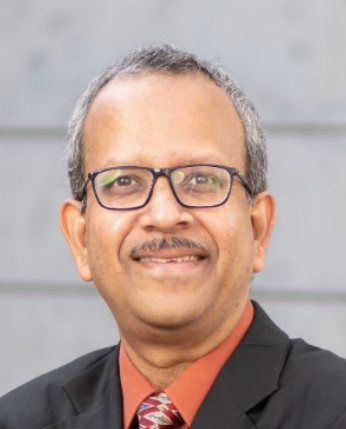
Prof. Indranil Bose is a Distinguished Professor of Information Systems at NEOMA Business School, specializing in Information Systems, Business Analytics, Big Data, and Digital Transformation. He has held academic positions at leading institutions and has published extensively in reputed international journals.

Prof. Sutirtha Chatterjee is a Professor at the University of Nevada, Las Vegas (UNLV), specialising in Information Systems, IT and innovation, and ethical and humanistic issues in technology. His research has been published in several leading international journals, and he has served in editorial roles for reputed Information Systems journals.
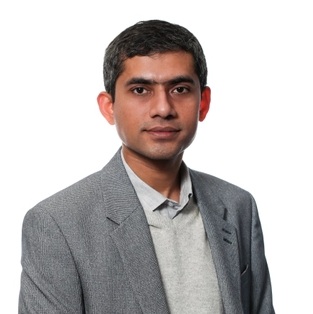
Dr Baidyanath Biswas is an Associate Professor in Business Analytics at Trinity Business School. Before joining Trinity, he was an Assistant Professor at the DCU Business School, Ireland. Baidyanath is passionate about teaching and has teaching experience at the undergraduate and masters levels. He has previously taught a broad array of modules including Business Analytics, Total Quality Management, E-commerce, Digital Ecosystems and Information Systems Management. Before joining academia, Baidyanath worked for nine years with Infosys and IBM as a mainframe and DB2 specialist.
https://www.linkedin.com/in/baidyanath-biswas-47604635/?originalSubdomain=ie
https://www.tcd.ie/business/people/faculty-professors/biswasb/
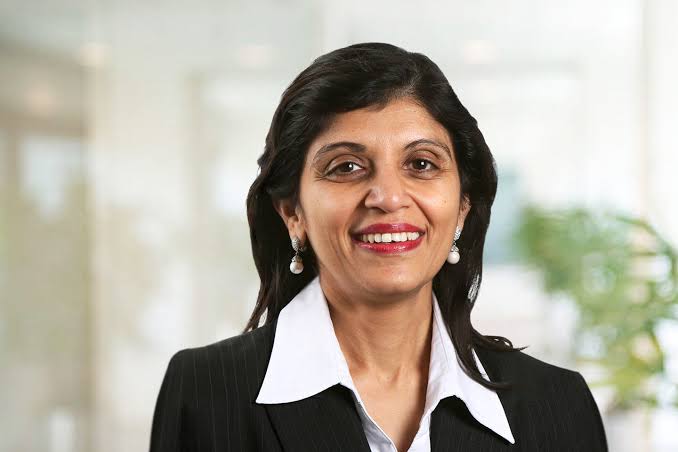
Prof. Jyoti Choudrie is an interdisciplinary Professor of Information Systems and WINNER, Tech Women 100, 2019. She has published her findings in leading journals such as European Journal of Information Systems (EJIS), Journal of Information Technology (JIT), Journal of Technological Forecasting & Social Change & Journal of Business Research.
She serves as Senior & Associate Editor for many highly ranked journals.
https://researchprofiles.herts.ac.uk/en/persons/jyoti-choudrie/
Advisory Committee
The institute expressed interest in being part of LEAD-20275 is:
Trinity College Dublin, (https://www.tcd.ie/business/) abbreviated as Trinity or TCD, officially titled The College of the Holy and Undivided Trinity of Queen Elizabeth near Dublin, is the sole constituent college of the University of Dublin, Ireland.
LEAD-2027 Conference Proceedings:
The accepted, registered and presented full papers at the LEAD-2027 conference will be included in the conference proceedings by Springer in its SCOPUS-Indexed book series titled “Springer Proceedings” in Business and Economics .
Published LEAD-2024 Conference Proceedings:
Conference Email: leadconf@iimshillong.ac.in
Conference Website: https://www.iimshillong.ac.in/events-and-conferences/conferences/lead-2027
Phone: +91 96504 19509 ( Ms. Nancy Sinha) | +91 78382 17033 (Prof. Parijat Upadhyay)
Address: Indian Institute of Management Shillong, Umsawli, Shillong, 793018, Meghalaya, India
About IIM Shillong
IIM Shillong, the seventh IIM in India, has been set up with a vision to become an internationally recognized Management Institute with a Global outlook grounded in Indian values. From its inception, it has been constantly working towards a lofty mission to generate and disseminate knowledge in all aspects of management education with a focus on Sustainability and building innovative leadership.
Travelling to Shillong
Surrounded by verdant hills, Shillong offers a beautiful panoramic view of the graceful scenic countryside. Shillong can be reached by taxi from Guwahati airport/railway station, which is about120 km away. Guwahati airport is well connected to many major cities in India including Bangalore, Chennai, Delhi, Mumbai, and Kolkata. Helicopter services are also available between Guwahati and Shillong. Shillong is connected to Assam, Manipur, Tripura, West Bengal and New Delhi through direct flights.
Indian Institute of Management Shillong FOR ADMISSIONS FOR DEGREE/DIPLOMA VERIFICATION: pgp@iimshillong.ac.in





Contact us
Umsawli, Shillong – 793018
East Khasi Hills District, Meghalaya, India
P. (0364) 230-8000
epgp@iimshillong.ac.in
phd@iimshillong.ac.inHelp
An M.Psy. and D.Phil. (Psychology) from the Center for Advanced Study in Psychology, University of Allahabad. Prior to joining the Institute he had made a stint in the Consulting while working on a CSR assignment of the HONDA Cars, previously worked at the G.B.Pant Social Science Institute, Allahabad as a Lecturer and the Center for Advanced Study in Psychology, University of Allahabad. Prof Dwivedi received the DAAD Research Fellow in Center for Modern India Studies, Faculty of Management, Universität zu Köln, Germany

Associate Professor, IIM Shillong
Ph.D., University of Allahabad
Shri Vivek Singh is a public policy and communications professional. He was serving as OSD (Officer on Special Duty) to the Union Finance & Corporate Affairs Minister. He has been a part of the FM’s team in the last 5 Union Budgets and also worked in the Raksha Mantri’s office from November 2018 to May 2019. He was a corporate banker before joining the government.
He is an alumnus of Shri Ram College of Commerce (SRCC), ICAI and IIM Shillong. He is a regular contributor of articles and opinion pieces in leading business dailies where he writes on macro-economy and policy-related topics. While at IIM-Shillong, he was a part of the Student Council and won the Gold Medal for being the Best All-rounder and making the ‘Most Positive Contribution to Campus Life’.

Ex-OSD, The Union Finance Minister,
Alumnus, IIM Shillong
Mousumi Bhattacharya is an Associate professor in finance whose research interest spans the field of FINTECH and Financial Services, Mergers & Acquisitions, Corporate Restructurings, Corporate Finance, Business Valuation, Corporate Governance, Earnings Management, Banking and Financial Econometrics. She has done her post graduate degree in business finance, M.Phil. and PhD from University of Calcutta and she was a rank holder at both M.Phil. and post-graduation level. She also has a diploma in business finance from ICFAI University. She has more than 50 scholarly research publications in peer reviewed journals. She is currently the Editor in Chief of IIMS Journal of Management Science the journal of the Indian Institute of Management Shillong that publishes research contributions in all areas of management and its allied discipline.

Associate Professor, Ph.D., University of Calcutta
Rohit Joshi is currently working as a Professor in the Operations Management and Quantitative Techniques area at IIM Shillong. He is a Fulbright fellow. He has done his Postdoctoral Research work at UCLA, the University of California, Los Angeles, USA. He has obtained his Ph.D from Department of Management Studies, Indian Institute of Technology Delhi. He has received Master in Technology from Malviya National Institute of Technology, Jaipur, in Industrial Engineering and his bachelor degree in Mechanical Engineering. He is a Gold Medalist and the University topper in his M.Tech and B.Tech respectively. His areas of interest in consulting and teaching assignments include Supply Chain Management, Operations Management, Six Sigma and Lean Thinking, Business Statistics, Project Management, Value-engineering, Design Thinking and Creative Problem Solving.

Professor, Ph.D, IIT Delhi,Postdoc – UCLA, Los Angeles, USA
Maneesh Jaikrishna is currently serving as Regional Vice President for Middle East, APAC and Africa at Embross. Prior to this, he had had an illustrious 21 years career at SITA as the Vice President & General Manager for Indian Subcontinent, Dubai, Eastern & Southern Africa. He brings with him an extensive leadership experience in building organizations from ground up, business transformation and leading multi-functional teams in medium sized and large organizations across 30+ countries across ME, APAC, Indian Subcontinent & Africa while growing profitable businesses in the global Travel & Transport Industry. He has been instrumental in enabling win-win business outcomes through application of advance technology led IT systems and services to improve the travel experience, safety, security and operational efficiency for his airport, airline, government and other industry stakeholders.
Recipient of several awards, he had been nominated to SITA Board for 16 years and currently is an ExCo member in Embross. He has authored several articles, white papers as the media spokesperson which have been covered extensively in leading national and international publications. He had also been nominated to the Sectoral Innovation Council of the Ministry of Civil Aviation and as a member in the FICCI Civil Aviation Committee.
He holds a first class first B.E. (Hons.) degree in Electronics & Telecommunications of Mumbai University, and also an Executive Master of Business Administration degree from IMD Business School, Switzerland.

Regional Vice President for Middle East,
APAC and Africa at Embross
Shri. Ashutosh Dikshit has over 16 years of professional experience in the roles of Presales, Innovation Consulting, Marketing and Program Management. During his career, he has worked across organizations such as Deloitte, IBM, Wipro Technologies, Birlasoft and University College London. In his current role, Ashutosh leads the CxO and Executive Briefing Program for Europe, Middle East and Africa (EMEA) at Amazon Web Services (AWS) and is based in London. He is an alumnus of IIM Shillong (PGP 2008-10) and is one of the winners of the prestigious Global Peter Drucker Challenge (2015).

CxO Advocacy and Executive Marketing - Senior Manager EMEA,
Amazon Web Services & Alumnus, IIMS
Dr. Paula Sengupta is an artist, academic and curator resident in Kolkata. She graduated in Painting from the College of Art, New Delhi, followed by an MFA and PhD in Printmaking from Kala Bhavana, Santiniketan. She is currently Professor at the Department of Printmaking at Rabindra Bharati University, Kolkata.
She is author of The Printed Picture: Four Centuries of Indian Printmaking published by DAG, New Delhi and Foreign & Indigenous Influences in Indian Printmaking with LAP Lambert Academic Publishing, Saarbrucken, Germany.
Her curatorial projects include a soul (un)gendered: Anupam Sud – A Retrospective for DAG MODERN & KNMA, Delhi in 2019-20; Ghare Baire at the Old Currency Building, Kolkata for DAG MODERN and the Archaeological Survey of India in 2019; Popular Prints and the Freedom Struggle at the Drishyakala Museum, Red Fort, Delhi for DAG MODERN and the Archaeological Survey of India in 2019; the landmark exhibition Trajectories: 19th-21st Century Printmaking from India and Pakistan for the Sharjah Art Museum, Sharjah, UAE in 2014; and six editions of The Printed Picture: Four Centuries of Indian Printmaking for DAG MODERN, India from 2012-18.

Professor,
Ravindra Bharati University
Shri Atul Chandrakant Kulkarni is an Independent Management and Strategy Consultant in Infrastructure domain with special focus on Maritime Industry.
He has been advising various domestic and international clients on Feasibility Study, Project Master Plan, Business Plan, Operations and Strategy. He serves as Director on the boards of Eurasia Special Technologies Pvt Ltd. (Defense Equipment), Varti Agro Pvt Ltd. (Exports of Fresh Fruits), 3.Yuva Vikas Society (Skill Development), etc. He is also associated in the advisory committees and governing councils/boards of SNDT University, Mumbai, Adi Sankara Group of Institutions, Kerala, National Institute of Industrial Engineering (NITIE), Mumbai, among others.
He had earlier been associated in various roles including ‘C Level’ position with Chowgule Ports & Infrastructure Pvt. Ltd., V R Marine Services Pte Ltd, Singapore, Indian Ports Association, Gas Authority of India Limited, Deloitte Touche Tohmatsu India Pvt. Ltd, Ministry of Shipping, GoI, Camlin Ltd. and many others over his 3-decade professional career.
He is also Chairman of a Public Charitable Trust SEIL (Students’ Experience in Inter-state Living) focusing on National Integration.

Management Consultant,
Director Eurasia Special Technologies Ltd
Shri Shishir Bajoria is a well-known Industrialist and the head of S K Bajoria Group – manufacturing ceramics for the steel industry in India, UK, USA, Germany, China. His businesses also include insurance services involving health and travel insurance administration, claim settlement, insurance and re-insurance broking; as well as an Art Gallery.
He has been the President of the Indian Chamber of Commerce- Kolkata, Honorary Vice Counsel for Denmark in Eastern India and has also been a Director of the State Industrial Development Corporations of Orissa (IPICOL) and West Bengal (WBIDC). He has been Knighted by the Governments of Denmark in 1998 and Italy in 2006.

Chairman Board of Governors, IIM-S
Head of S K Bajoria Group